
What Are the Best Roofing Materials for Minnesota?
The best roofing materials for Minnesota can handle cold temperatures, hail, wind, snow, and frequent weather changes. Wright at Home Roofing & Exteriors helps Minnesota homeowners compare asphalt shingles, impact-resistant shingles, and metal roofing based on their home, budget, and long-term plans.
How Does Minnesota Weather Affect Roofing Materials?

Minnesota weather can shorten a roof’s lifespan if the material is not suited for repeated temperature swings and severe storms. The biggest concerns are freeze-thaw cycles, snow and ice, hail, strong winds, and summer sun.
Different conditions create different stresses:
- Freeze-thaw cycles: Repeated freezing and thawing can contribute to cracking, curling, and wear as shingles age.
- Snow and ice: Heavy snow adds weight, while melting and refreezing can contribute to ice buildup along roof edges.
- Hail: Hail can loosen protective granules or cause other impact damage.
- High winds: Strong winds can loosen, lift, or remove shingles.
- UV exposure: Summer sun can gradually dry out and wear roofing materials.
That is why Minnesota homeowners should consider roofing materials that can handle both winter conditions and severe summer storms.
What Roofing Materials Work Best for Minnesota Homes?
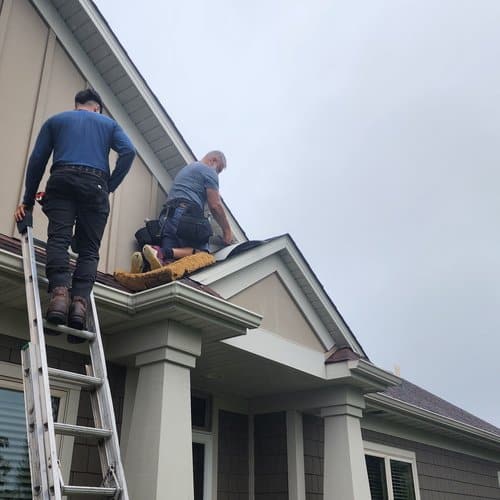
There is no single material that works best for every home. The right choice depends on your budget, storm exposure, roof design, and how long you expect to stay in the property.
Architectural Asphalt Shingles
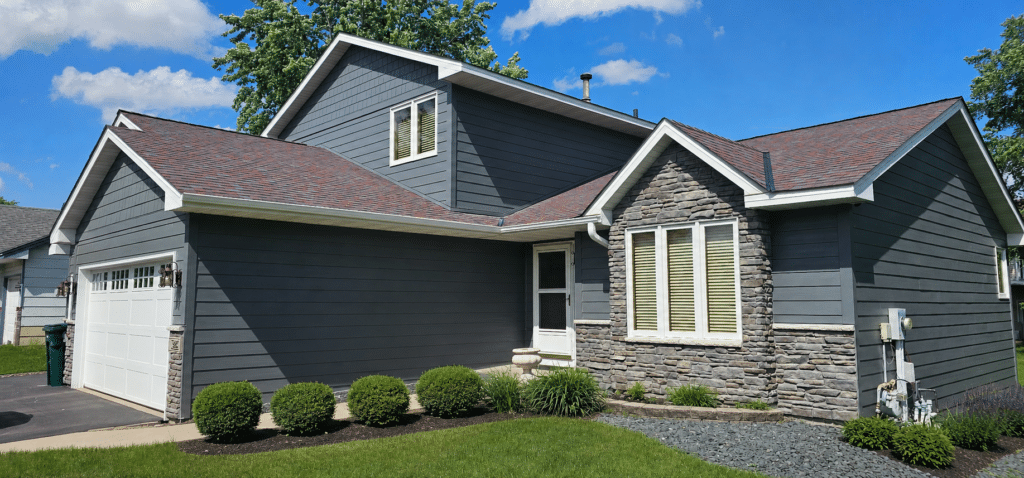
Architectural asphalt shingles offer a balance of affordability, appearance, and dependable performance.
They may be a good fit for homeowners who:
- Want a familiar roofing system
- Need to control upfront project costs
- Prefer a wide range of colors and styles
- Do not require the highest available impact rating
Proper installation still matters. Even a quality asphalt shingle can perform poorly if the roof deck, underlayment, flashing, or ventilation is not handled correctly.
Class 4 Impact-Resistant Shingles
Class 4 shingles are designed and tested for greater impact resistance than standard asphalt shingles. They can be worth considering in Minnesota because hail is a common concern during severe storms.
Potential benefits include:
- Increased resistance to certain impact damage
- Traditional asphalt-shingle appearance
- Severe-weather product options
- Possible insurance discounts from some carriers
Class 4 shingles are not hail-proof, and insurance discounts vary. Homeowners should confirm eligibility directly with their insurance provider.
Wright at Home Roofing & Exteriors offers Class IV impact-rated roofing options as part of our residential roofing services.
Metal Roofing
Metal roofing may appeal to homeowners who prioritize longevity and are comfortable with a higher upfront investment.
Depending on the roofing system, benefits can include:
- Long service life
- Efficient shedding of snow and rain
- Strong wind performance when properly installed
- Lower maintenance needs in some applications
Metal roofing generally costs more initially than asphalt shingles, so it may make more sense for homeowners planning to remain in their home long term.
Is a More Expensive Roofing Material Worth It?
Sometimes. The more useful question is whether the additional cost provides value for your specific home.
When comparing options, consider:
- How long you expect to own the property
- Your home’s exposure to hail and wind
- Expected maintenance and repair needs
- Manufacturer and contractor warranties
- What is included in each roofing estimate
Wright at Home Roofing & Exteriors emphasizes comparing cost and value rather than looking only at the lowest bid. Not every estimate includes the same materials or installation details. Homeowners can also review how to compare roof estimates before making a decision.
Why Does Installation Matter as Much as Roofing Material?
Even a high-quality shingle can underperform when the roofing system underneath it is not installed correctly.
Ask your contractor about:
- Roof decking: Damaged decking should be identified before new materials are installed.
- Underlayment: The underlayment should be appropriate for the roof and roofing material.
- Flashing: Valleys, walls, vents, and other penetrations need proper flashing.
- Ventilation: Poor attic ventilation can contribute to premature roofing problems.
- Compatible components: Roofing materials and accessories should work together as a complete system.
Before hiring a contractor to handle these details, the Minnesota Department of Labor and Industry offers tips for vetting and hiring a residential contractor, including how to verify a contractor’s license.
How Do You Choose the Right Roofing Material?
Start by thinking beyond the shingles themselves.
Ask:
- How long do I plan to stay in the home?
- Is hail or wind resistance a priority?
- What does each estimate include?
- What warranties apply?
- What manufacturer credentials does the contractor hold?
Wright at Home Roofing & Exteriors is a second-generation, family-owned company that has served homeowners since 2005. We focus on transparent communication and helping homeowners understand their options before making an investment decision. Learn more about our team and story.
Compare Roofing Options for Your Blaine Home
The best roofing material depends on your home, budget, and priorities. Wright at Home Roofing & Exteriors helps Blaine homeowners compare the tradeoffs between asphalt, impact-resistant, and other roofing options without focusing on price alone.
Explore roofing and exterior services in Blaine or request a free quote to discuss your project.
FAQs About the Best Roofing Materials for Minnesota
What is the best roofing material for Minnesota winters?
Architectural asphalt shingles, impact-resistant shingles, and metal roofing can all perform well when they are appropriate for the home and installed correctly.
Are Class 4 shingles worth it in Minnesota?
They can be worthwhile for homeowners concerned about hail. Compare the added upfront cost with impact resistance, warranty coverage, and any insurance incentives available through your carrier.
Is metal roofing worth the extra cost?
It can be for homeowners who prioritize longevity and plan to remain in their home long term. The main tradeoff is the higher initial investment.
How long do roofing materials typically last in Minnesota?
Roof lifespan varies by material, installation, maintenance, and storm exposure. Asphalt shingles often last about 15 to 30 years, while metal roofing can last 40 to 70 years or more. Severe hail, wind, ice, and poor ventilation can shorten those ranges.